Decision-first city chooser
Choose cities by fit,
not by FOMO.
This is not a generic city directory. It helps first-time visitors answer the practical question that actually matters: which city mix will feel smooth, realistic, and worth the transfer cost for the kind of trip they want.
Fast answer
I want the easiest first city
Start with Shanghai, Shenzhen, or Hangzhou if your real goal is low friction instead of maximum symbolism.
Fast answer
I care most about history
Start with Beijing or Xi'an, but only if you accept tighter reservation logic and stronger attraction planning.
Fast answer
I want food and a softer pace
Start with Chengdu or Guangzhou if your trip should feel more livable and less like constant motion.
Use this page after
Pick cities only after the setup and route basics are stable.
City selection works best after the entry path, phone, payment, and rough day count already make sense.
- You already know your visa or entry path.
- You have a working phone, payment, and arrival setup plan.
- You know your rough day count and transfer tolerance.
Highest-value city picks
Best cities to start from
Best first sale
상하이
Best first stop if you want the easiest systems, strongest transit confidence, and a clean soft landing.
Less ideal if your first priority is imperial history or a slower, lower-stimulation pace.
High-intent history pick
베이징
Best if history is your main reason for coming and you can handle advance booking rules.
Not the best first stop if you hate queues, cross-city commuting, or strict reservation timing.
Easier slow-trip option
청두
Best if food and daily atmosphere matter more than headline landmarks.
Not the strongest pick if you want a polished first-time orientation city with obvious sightseeing flow.
Next move
Use the planner first
Open the planner if city choice is still mixed up with day count, budget, and transfer tolerance.
Open Planner →
Next move
Fix the first risks first
Go back to setup and arrival pages if phone, payment, or hotel logic still feels unstable.
Back to Start Here →
Next move
Send the city shortlist
Use direct review when the wrong first city would make the whole trip more expensive.
Get Trip Review →
Start from a route pattern
Route framework →Good for first-timers who want confidence fast
Lowest-friction first trip
Start with Shanghai, then add Hangzhou or Suzhou if you want a calmer second stop without making the route messy.
Explore this path →
Good for museums, heritage, and iconic landmarks
History-first route
Start with Beijing only if you are willing to respect reservation rules and structure your days around them.
Explore this path →
Good for slower first trips
Food-and-pace route
Use Chengdu when your trip should feel easier, slower, and built around eating well instead of ticking boxes.
Explore this path →
Good for short work-heavy stays
Modern business route
Use Shenzhen or Guangzhou when you care more about modern systems, payments, and efficient city movement than classic sightseeing.
Explore this path →
Directory results: 7
상하이
first-timemetrocashless상하이
Updated: 2026-06-17
중국에서 가장 쉬운 첫 번째 목적지 중 하나입니다. 지하철이 거의 모든 곳을 커버하지만, 군중을 처리하고 번드의 관광객 함정을 피하기 위해 현지 전략이 필요합니다.
Best for
Best first stop if you want the easiest systems, strongest transit confidence, and a clean soft landing.
Think twice if
Less ideal if your first priority is imperial history or a slower, lower-stimulation pace.
베이징
first-timehistorymetro베이징
Updated: 2026-06-17
놀라운 역사가 있지만, 자발적인 행동이 가장 어려운 중국의 도시입니다. 금궁과 다른 주요 명소는 7일 전에 미리 예약해야 합니다. 예외 없습니다.
Best for
Best if history is your main reason for coming and you can handle advance booking rules.
Think twice if
Not the best first stop if you hate queues, cross-city commuting, or strict reservation timing.
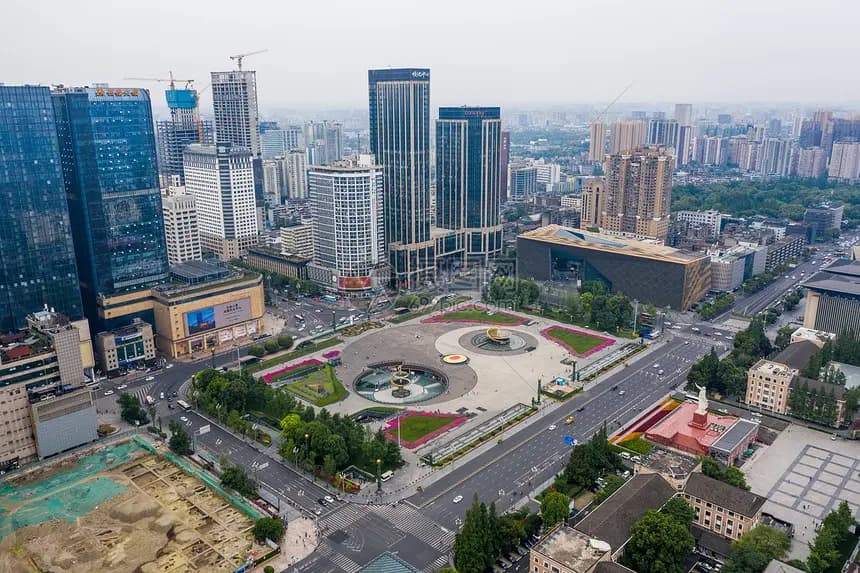
청두
foodslow-travelfamily청두
Updated: 2026-06-17
맛있는 음식과 여유로운 분위기가 강하고, 느린 리듬 체험에 적합합니다. 인기 있는 구역과 명소는 주말에 대기 시간이 길어집니다.
Best for
Best if food and daily atmosphere matter more than headline landmarks.
Think twice if
Not the strongest pick if you want a polished first-time orientation city with obvious sightseeing flow.
항저우
naturefirst-timemetro항저우
Updated: 2026-06-17
도시와 자연이 균형 잡힌 목적지입니다. 서호 주변의 혼잡한 피크 시간대에는 타이밍 전략이 필요합니다.
Best for
Best if you want beauty with a gentler pace and one of the easier city-plus-scenery combinations.
Think twice if
Timing matters more here if you dislike crowds or want a very dense museum-heavy itinerary.
광저우
foodmetrocashless광저우
Updated: 2026-06-17
놀라운 음식이지만, 다듬어진 관광 도시를 기대하지 마세요. 거칠고 매우 상업적이며 여름 습도가 매우 심합니다. 관광하기보다 먹기 위해 여기에 오세요.
Best for
Best if food and daily atmosphere matter more than headline landmarks.
Think twice if
Not the strongest pick if you want a polished first-time orientation city with obvious sightseeing flow.
선전
businessmetrocashless선전
Updated: 2026-06-17
중국의 실리콘밸리입니다. 초현대적이고 깨끗하며 완전히 캐시리스입니다. 역사적 명소는 제로이지만, 기술과 효율성을 좋아한다면 2일간의 훌륭한 체류가 될 것입니다.
Best for
Best for short modern stays, business rhythm, fast payments, and low-friction urban movement.
Think twice if
Less ideal if you want a classic first-trip postcard version of China.

시안
historymuseumfirst-time시안
Updated: 2026-08-02
시안은 한푸(전통 한족 의상) 붐과 2km에 걸친 몰입형 야간 거리인 대당불야성(大唐不夜城)의 당대 등불, 라이브 공연, 의상 퍼레이드 덕분에 2024~2026년 중국에서 가장 인기 있는 유산 도시 중 하나가 되었습니다. 젊은 방문객의 약 80%가 여기서 야간 사진 촬영을 위해 4~6시간 동안 당풍 한푸 복장을 대여합니다. 클래식한 병마용, 대안탑, 성벽 순회 코스를 넘어 현지인들은 덜 급박하고 더 진정한 동네 분위기를 위해 영녕문 → 서원문 서예 거리 → 더푸샹 바 골목의 시티워크 루트(2~3시간)를 추천합니다. 2026년 시안의 이상적인 체류 기간: 3-4일.
Best for
Best if history is your main reason for coming and you can handle advance booking rules.
Think twice if
Not the best first stop if you hate queues, cross-city commuting, or strict reservation timing.
Already narrowed down a few cities?
Send the city list, day count, and budget level. You will get help deciding the best route order and where to cut transfer friction.