Decision-first city chooser
Choose cities by fit,
not by FOMO.
This is not a generic city directory. It helps first-time visitors answer the practical question that actually matters: which city mix will feel smooth, realistic, and worth the transfer cost for the kind of trip they want.
Fast answer
I want the easiest first city
Start with Shanghai, Shenzhen, or Hangzhou if your real goal is low friction instead of maximum symbolism.
Fast answer
I care most about history
Start with Beijing or Xi'an, but only if you accept tighter reservation logic and stronger attraction planning.
Fast answer
I want food and a softer pace
Start with Chengdu or Guangzhou if your trip should feel more livable and less like constant motion.
Use this page after
Pick cities only after the setup and route basics are stable.
City selection works best after the entry path, phone, payment, and rough day count already make sense.
- You already know your visa or entry path.
- You have a working phone, payment, and arrival setup plan.
- You know your rough day count and transfer tolerance.
Highest-value city picks
Best cities to start from
Best first sale
Shanghai
Best first stop if you want the easiest systems, strongest transit confidence, and a clean soft landing.
Less ideal if your first priority is imperial history or a slower, lower-stimulation pace.
High-intent history pick
Beijing
Best if history is your main reason for coming and you can handle advance booking rules.
Not the best first stop if you hate queues, cross-city commuting, or strict reservation timing.
Easier slow-trip option
Chengdu
Best if food and daily atmosphere matter more than headline landmarks.
Not the strongest pick if you want a polished first-time orientation city with obvious sightseeing flow.
Next move
Use the planner first
Open the planner if city choice is still mixed up with day count, budget, and transfer tolerance.
Open Planner →
Next move
Fix the first risks first
Go back to setup and arrival pages if phone, payment, or hotel logic still feels unstable.
Back to Start Here →
Next move
Send the city shortlist
Use direct review when the wrong first city would make the whole trip more expensive.
Get Trip Review →
Start from a route pattern
Route framework →Good for first-timers who want confidence fast
Lowest-friction first trip
Start with Shanghai, then add Hangzhou or Suzhou if you want a calmer second stop without making the route messy.
Explore this path →
Good for museums, heritage, and iconic landmarks
History-first route
Start with Beijing only if you are willing to respect reservation rules and structure your days around them.
Explore this path →
Good for slower first trips
Food-and-pace route
Use Chengdu when your trip should feel easier, slower, and built around eating well instead of ticking boxes.
Explore this path →
Good for short work-heavy stays
Modern business route
Use Shenzhen or Guangzhou when you care more about modern systems, payments, and efficient city movement than classic sightseeing.
Explore this path →
Directory results: 7
Shanghai
first-timemetrocashlessShanghai
محدَّث: 2026-06-17
One of the easiest first stops in China. Metro covers almost everything, but you still need a local strategy for handling the crowds and avoiding the Bund's tourist traps.
Best for
Best first stop if you want the easiest systems, strongest transit confidence, and a clean soft landing.
Think twice if
Less ideal if your first priority is imperial history or a slower, lower-stimulation pace.
Beijing
first-timehistorymetroBeijing
محدَّث: 2026-06-17
Incredible history, but it is the hardest city in China for spontaneity. You must book the Forbidden City and other major sites 7 days in advance. Period.
Best for
Best if history is your main reason for coming and you can handle advance booking rules.
Think twice if
Not the best first stop if you hate queues, cross-city commuting, or strict reservation timing.
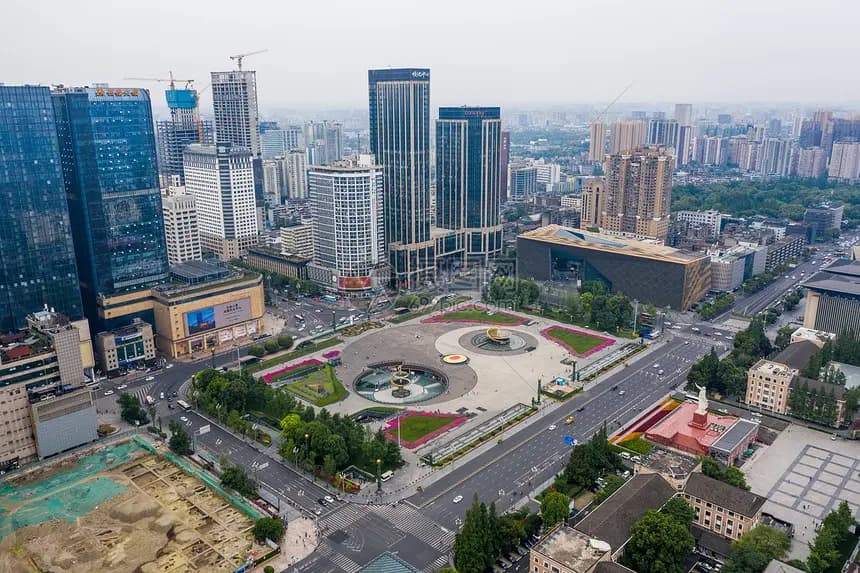
Chengdu
foodslow-travelfamilyChengdu
محدَّث: 2026-06-17
Food-rich and relaxed pace, ideal for slow itineraries with queue management.
Best for
Best if food and daily atmosphere matter more than headline landmarks.
Think twice if
Not the strongest pick if you want a polished first-time orientation city with obvious sightseeing flow.
Hangzhou
naturefirst-timemetroHangzhou
محدَّث: 2026-06-17
Balanced city-nature destination. Peak crowding around West Lake requires timing strategy.
Best for
Best if you want beauty with a gentler pace and one of the easier city-plus-scenery combinations.
Think twice if
Timing matters more here if you dislike crowds or want a very dense museum-heavy itinerary.
Guangzhou
foodmetrocashlessGuangzhou
محدَّث: 2026-06-17
Incredible food, but don't expect a polished tourist city. It's gritty, highly commercial, and the humidity in summer is punishing. Come here to eat, not to sightsee.
Best for
Best if food and daily atmosphere matter more than headline landmarks.
Think twice if
Not the strongest pick if you want a polished first-time orientation city with obvious sightseeing flow.
Shenzhen
businessmetrocashlessShenzhen
محدَّث: 2026-06-17
China's Silicon Valley. It's hyper-modern, clean, and entirely cashless. Zero historical sights, but an excellent 2-day stop if you love tech and efficiency.
Best for
Best for short modern stays, business rhythm, fast payments, and low-friction urban movement.
Think twice if
Less ideal if you want a classic first-trip postcard version of China.
Xi'an
historymuseumfirst-timeXi'an
محدَّث: 2026-08-02
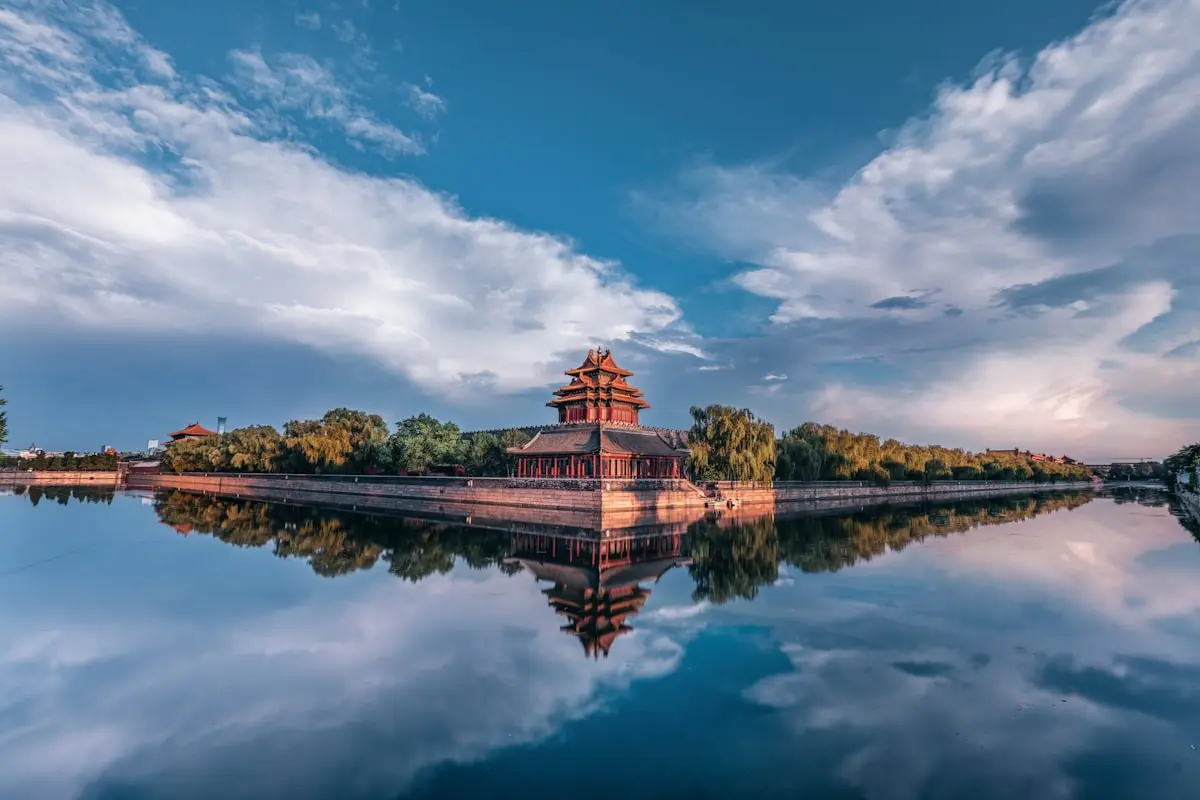
Xi'an has become one of China's top trending heritage cities in 2024–2026 thanks to its Hanfu (traditional Han clothing) boom and the 2-kilometre-long Datang Everbright City immersive night street with Tang-dynasty lanterns, live performances, and costume parades — around 80% of young visitors now rent a Tang-style Hanfu outfit for 4–6 hours of night photography here. Beyond the classic Terracotta Warriors, Giant Wild Goose Pagoda, and City Wall circuit, locals recommend a Yongning Gate → Shuyuanmen Calligraphy Street → Defuxiang bar lane citywalk route (2–3 hours) for a less rushed, more authentic neighbourhood feel. Ideal stay length for Xi'an in 2026: 3–4 days. Day 1: City Wall + museums + Hanfu experience. Day 2: Terracotta Warriors + Huaqing Pool (allow 1.5 hours each way by metro/taxi). Day 3: Old-town citywalk by day + Datang Everbright City lights after 7 PM. Day 4 (optional): day trip to Huashan Mountain if weather is clear.
Best for
Best if history is your main reason for coming and you can handle advance booking rules.
Think twice if
Not the best first stop if you hate queues, cross-city commuting, or strict reservation timing.
Already narrowed down a few cities?
Send the city list, day count, and budget level. You will get help deciding the best route order and where to cut transfer friction.